
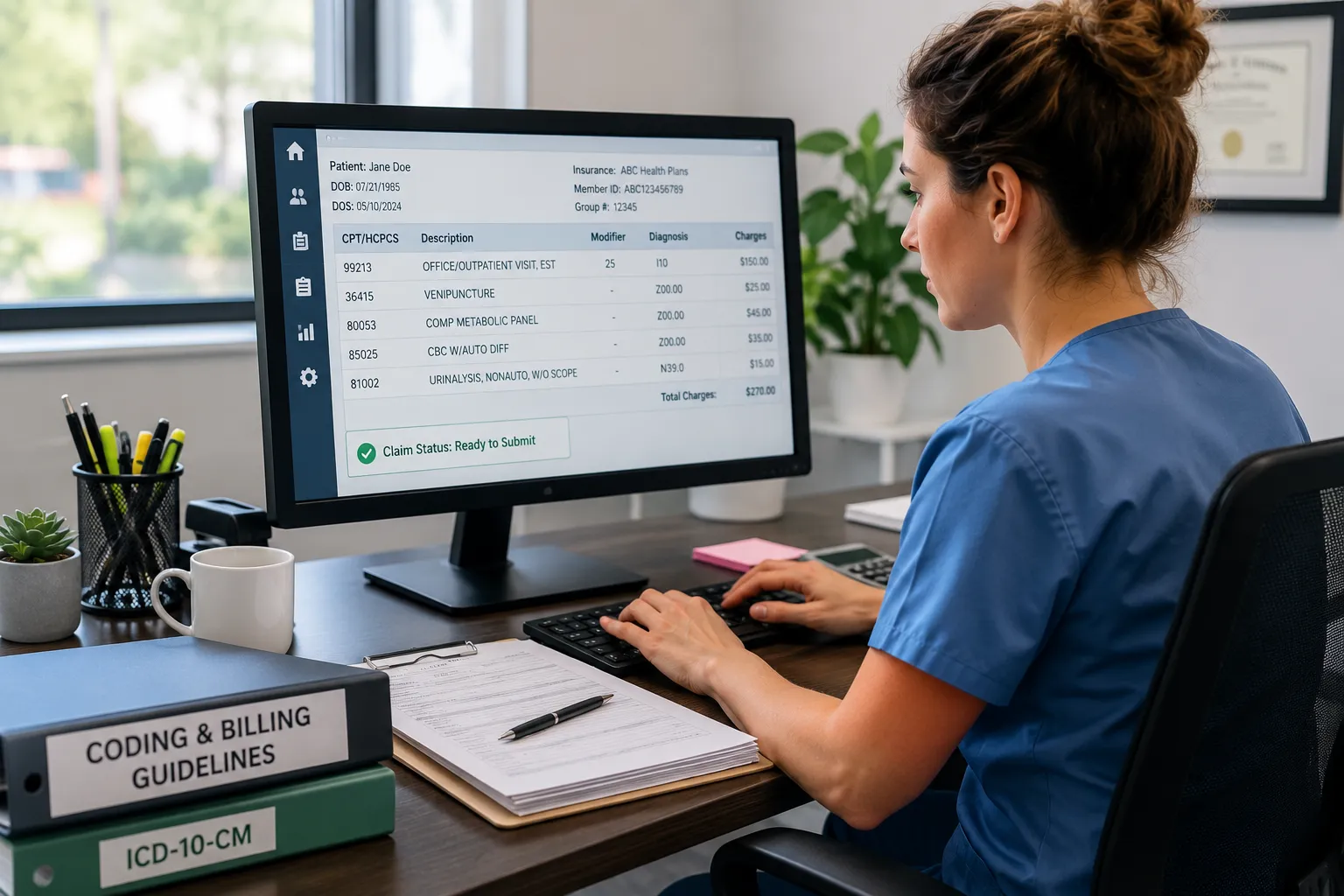
The Importance of Accurate Medical Billing and Coding in Healthcare
In the healthcare industry, accurate billing is about far more than simply submitting claims. Successful Medical Billing depends heavily on correct coding, proper use of modifiers, and a clear understanding of the services performed by the practitioner. Even small errors in coding can lead to rejected claims, delayed payments, compliance risks, and significant revenue loss for a practice.
At the core of effective Medical Billing is accurate procedure coding. Every consultation, treatment, procedure, or service provided by a healthcare professional must be coded correctly according to industry guidelines. Billing the wrong code or failing to bill for work actually performed can directly impact a practice’s revenue and financial stability. Underbilling often results in lost income, while incorrect overbilling can create compliance concerns and increase the risk of audits.
One of the biggest challenges in Medical Billing is understanding the complexity of modifiers. Modifiers are used to provide additional information about a procedure or service without changing the meaning of the code itself. While they may seem small, modifiers play a critical role in how claims are processed and paid. Applying the wrong modifier, using one unnecessarily, or attaching it to the incorrect code can lead to claim rejections or reduced reimbursements.
Knowing when to use modifiers and when not to requires experience and detailed knowledge of medical billing rules. Certain procedures may require modifiers to indicate multiple services, repeat procedures, unusual circumstances, or specific treatment conditions. However, overusing modifiers or applying them incorrectly can trigger red flags with medical schemes and negatively affect claim outcomes.
Another essential aspect of Medical Billing is ensuring that the codes submitted accurately reflect what the practitioner actually did during the patient encounter. Documentation and coding must always align. If services are not documented correctly, they cannot be billed appropriately. This is why strong communication between practitioners and billing teams is so important. Clear clinical notes help ensure that all billable services are captured accurately and compliantly.
The healthcare billing environment is constantly evolving, with coding updates, rule changes, and scheme-specific requirements becoming increasingly complex. Practices that do not stay current with these changes often experience unnecessary claim delays and payment issues. Professional billing teams and advanced billing systems help reduce these risks by improving coding accuracy and identifying potential errors before claims are submitted.
Efficient Medical Billing ultimately protects both the financial health and reputation of a healthcare practice. Correct coding, proper modifier usage, and accurate claim submissions help practices receive appropriate reimbursement for the care they provide while maintaining compliance with industry standards.
In today’s demanding healthcare landscape, accurate billing is no longer just an administrative task it is a critical part of running a successful and sustainable practice.


